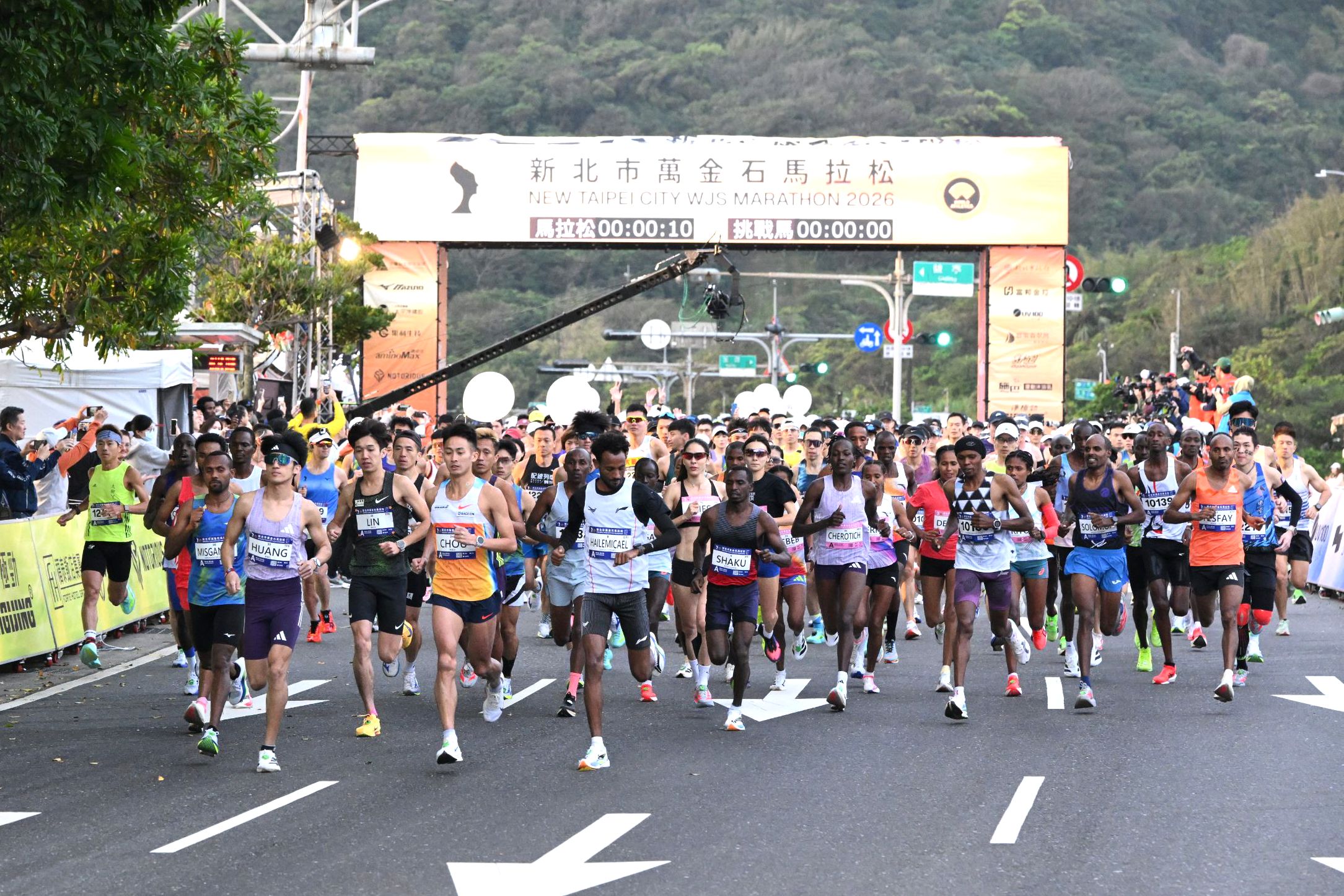
Sustainable Vision
Reduce first, offset next, and keep race quality aligned with environmental responsibility.
Since 2023, the Wanjinshi Marathon has followed ISO 14067 and road race carbon footprint product category rules to identify emissions across each stage of the event, then refine reduction strategies through ongoing review.
Low-carbon operations
Resource circularity
Supply chain collaboration
SDG 5 Gender Equality
Advancing sport equity in 2026 with a non-binary gender category.
New Taipei City defines 2026 as the Wanjinshi Marathon's first year of sport equity. Beyond competition and sustainability, the registration system and race services highlight inclusion, diversity, and participation for all.
Green Certification
Green Certification Milestones
From carbon footprint verification to event sustainability management and carbon neutrality statements, the race uses international standards to examine its sustainability practices.
Carbon Footprint
2023-2026 Carbon Footprint Results
Total race emissions have continued to decline through low-carbon materials, local procurement, shuttle services, low-carbon transport, and resource reuse.
Certificates
Certification Documents
Select a document to view carbon footprint, event sustainability management, responsible sport, carbon neutrality, and carbon offset certificates from previous years.
Reduction Strategy
Seven Key Carbon Reduction Strategies
From materials, design, transport, procurement, energy, circularity, and education, the race builds a low-carbon management approach that can keep improving.
 Sustainable MaterialsRecycled materials, recyclable materials, and low-carbon products.
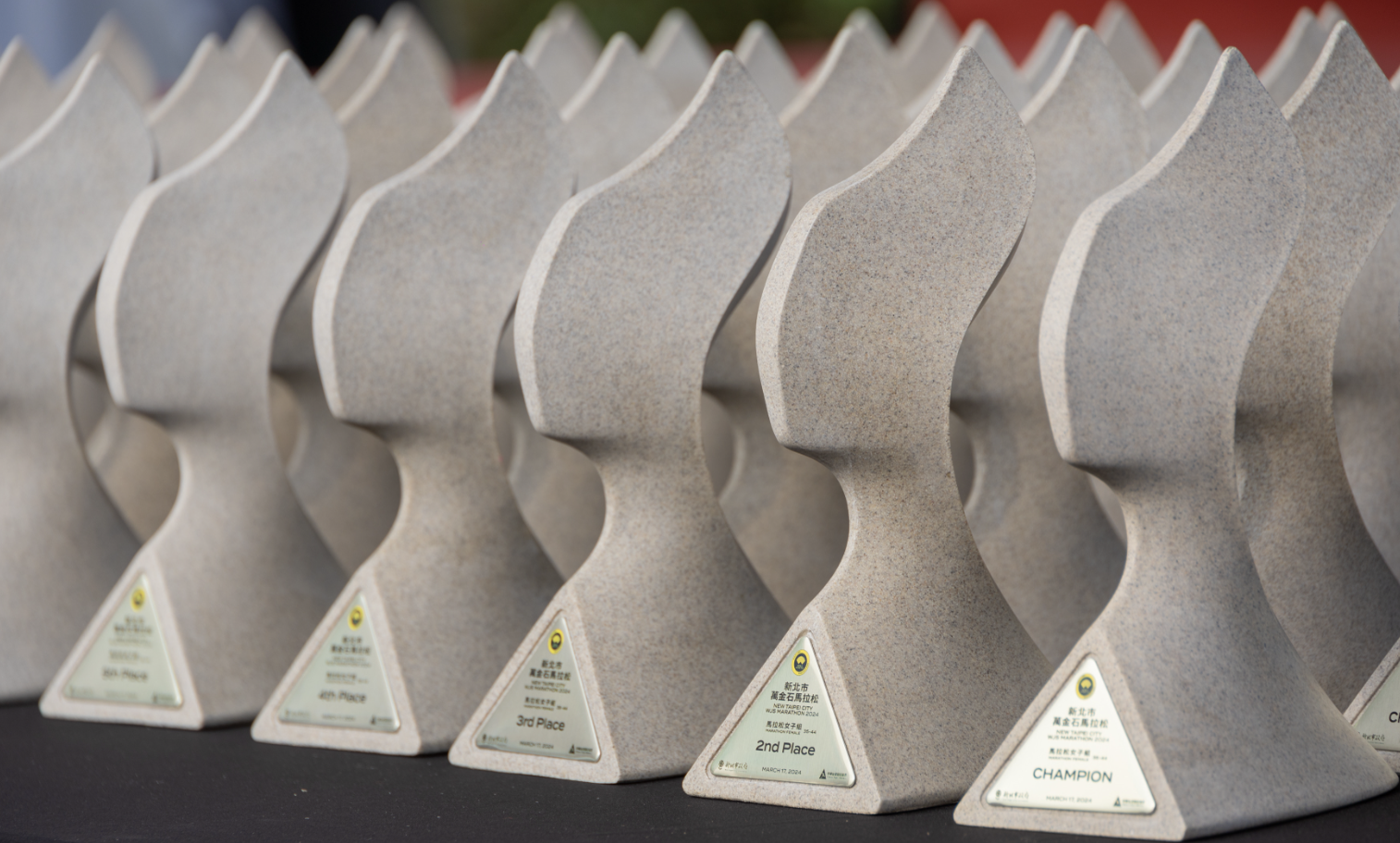 Product DesignReducing material use and transport emissions.
 Local ProcurementShorter transport distances and lower supply chain emissions.
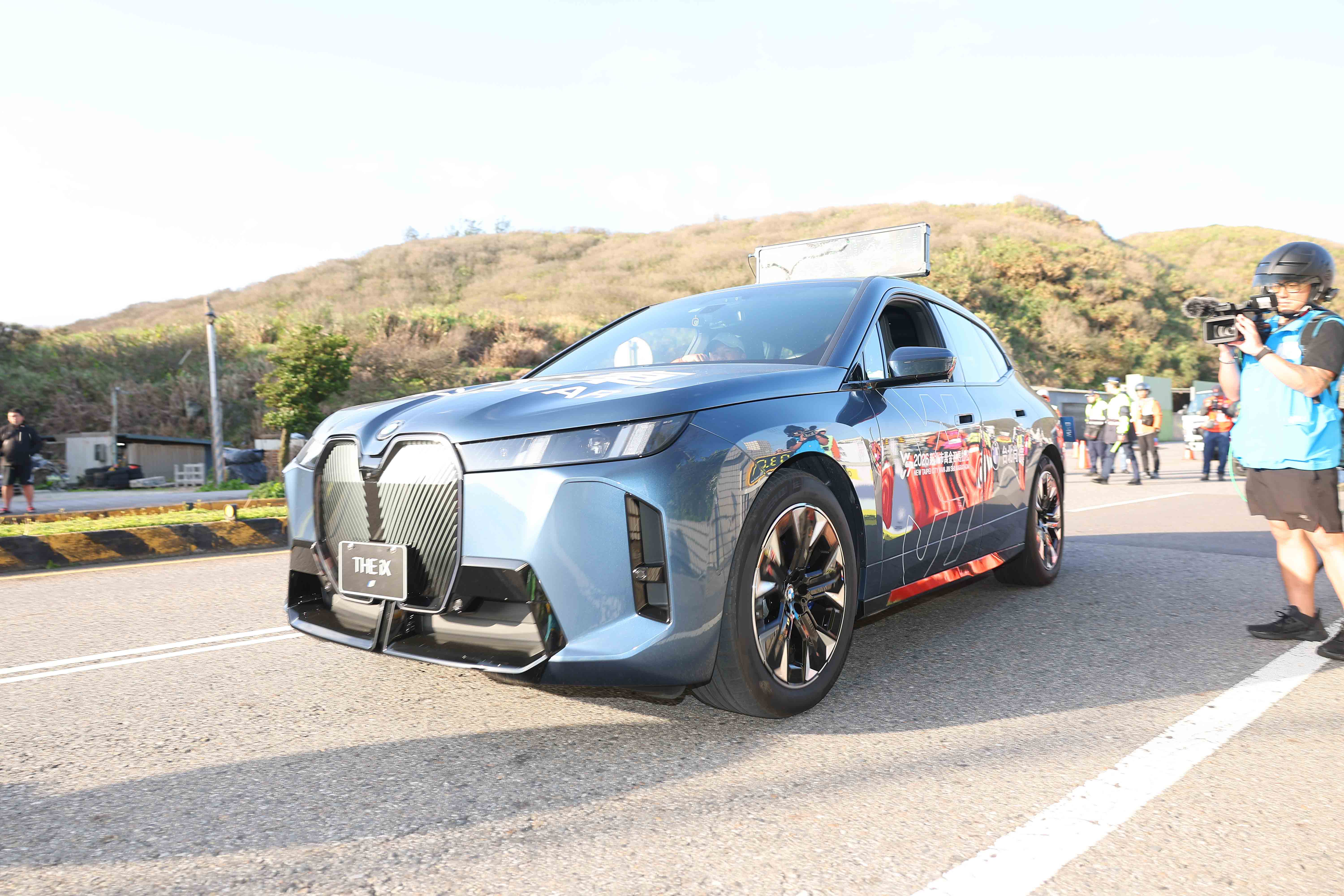 Low-Carbon MobilityIntroducing electric vehicles and lower-carbon transport.
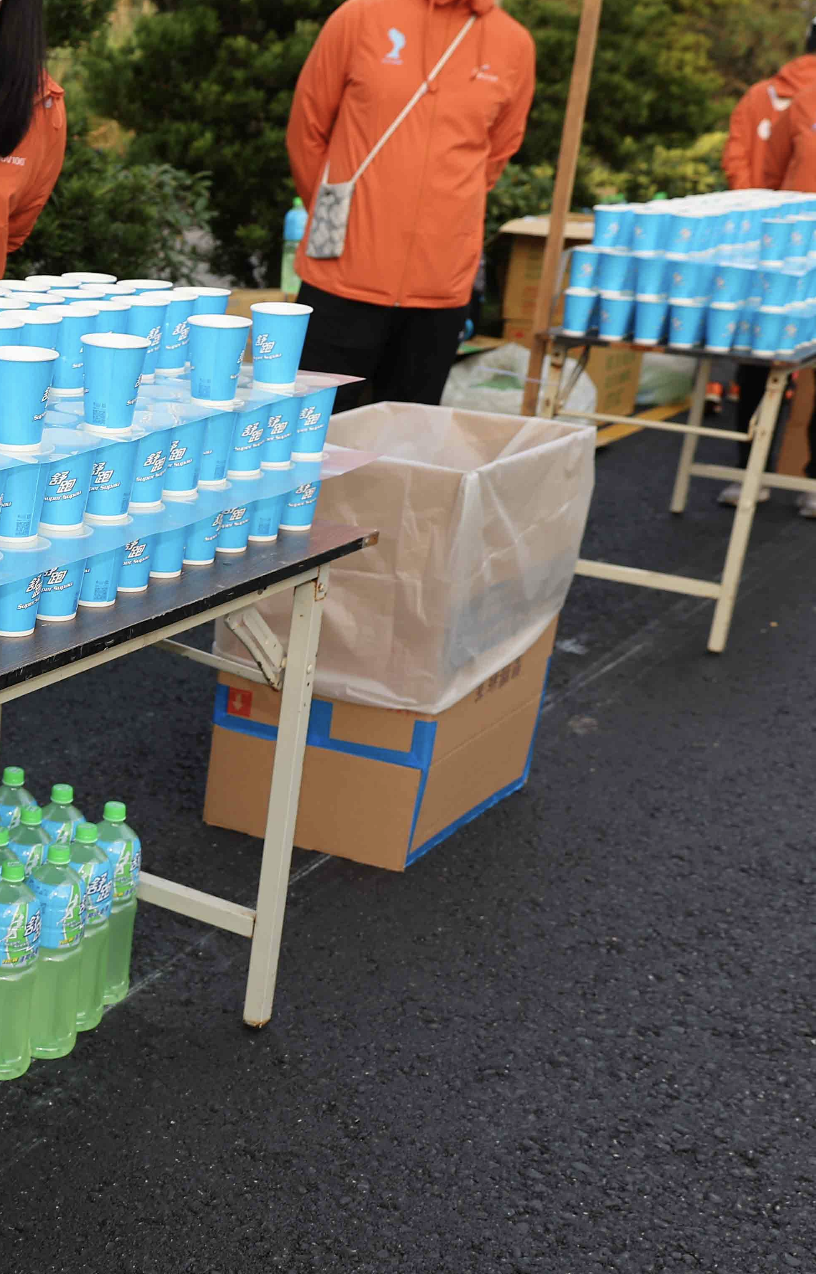 Resource CircularityExtending the life cycle of event materials.
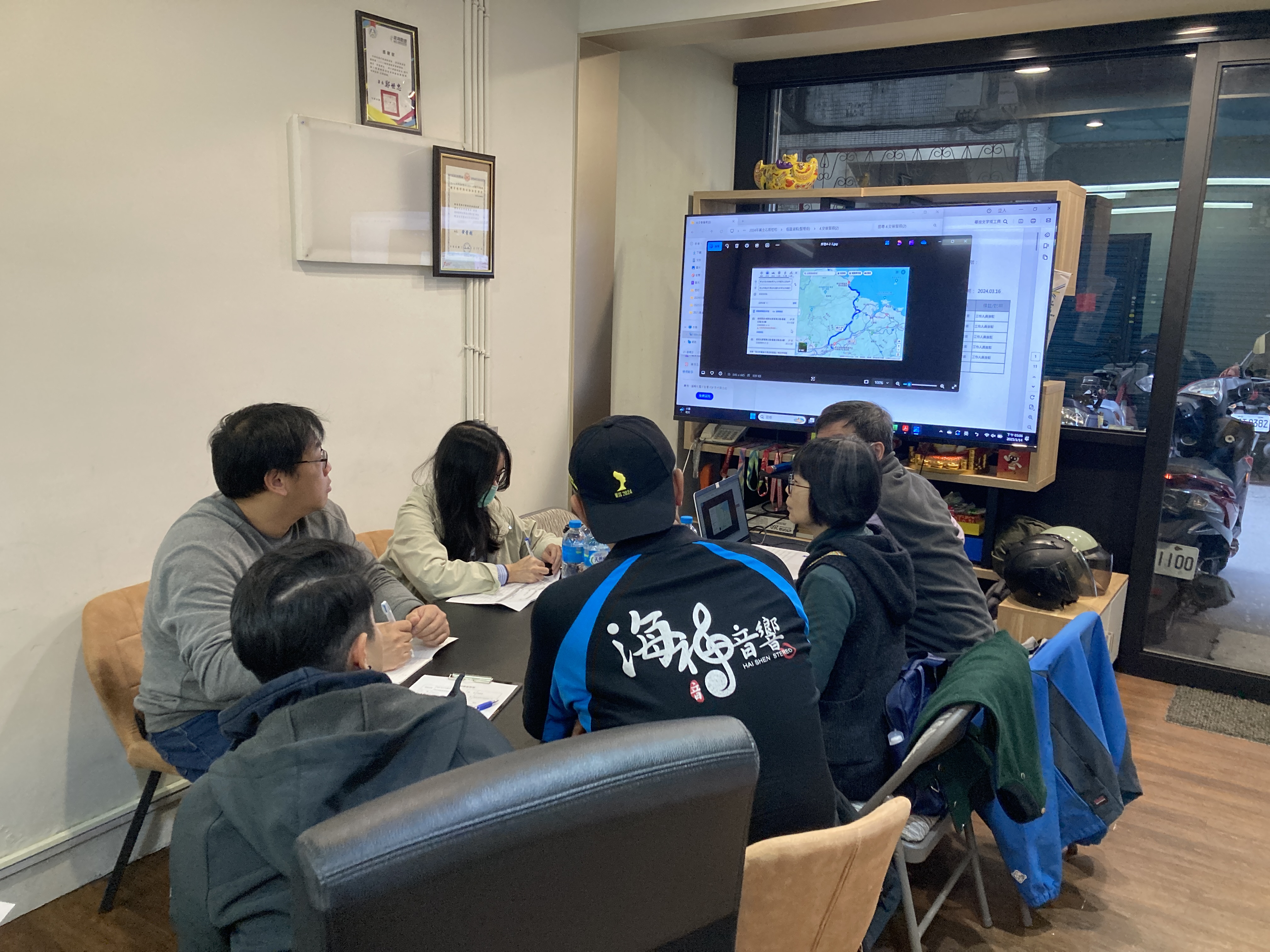 Supply Chain CollaborationStrengthening carbon inventory and vendor training.
Action Plan
Reduction Action Plan
Improvement actions are built around major emission sources so aid stations, awards, venue setup, energy, transport, waste, and medical services can keep reducing emissions.
Sustainable Scenes
Action Gallery
From hydration, transport, apparel, venue setup, and sport equity, sustainability becomes a visible part of the runner experience.
